
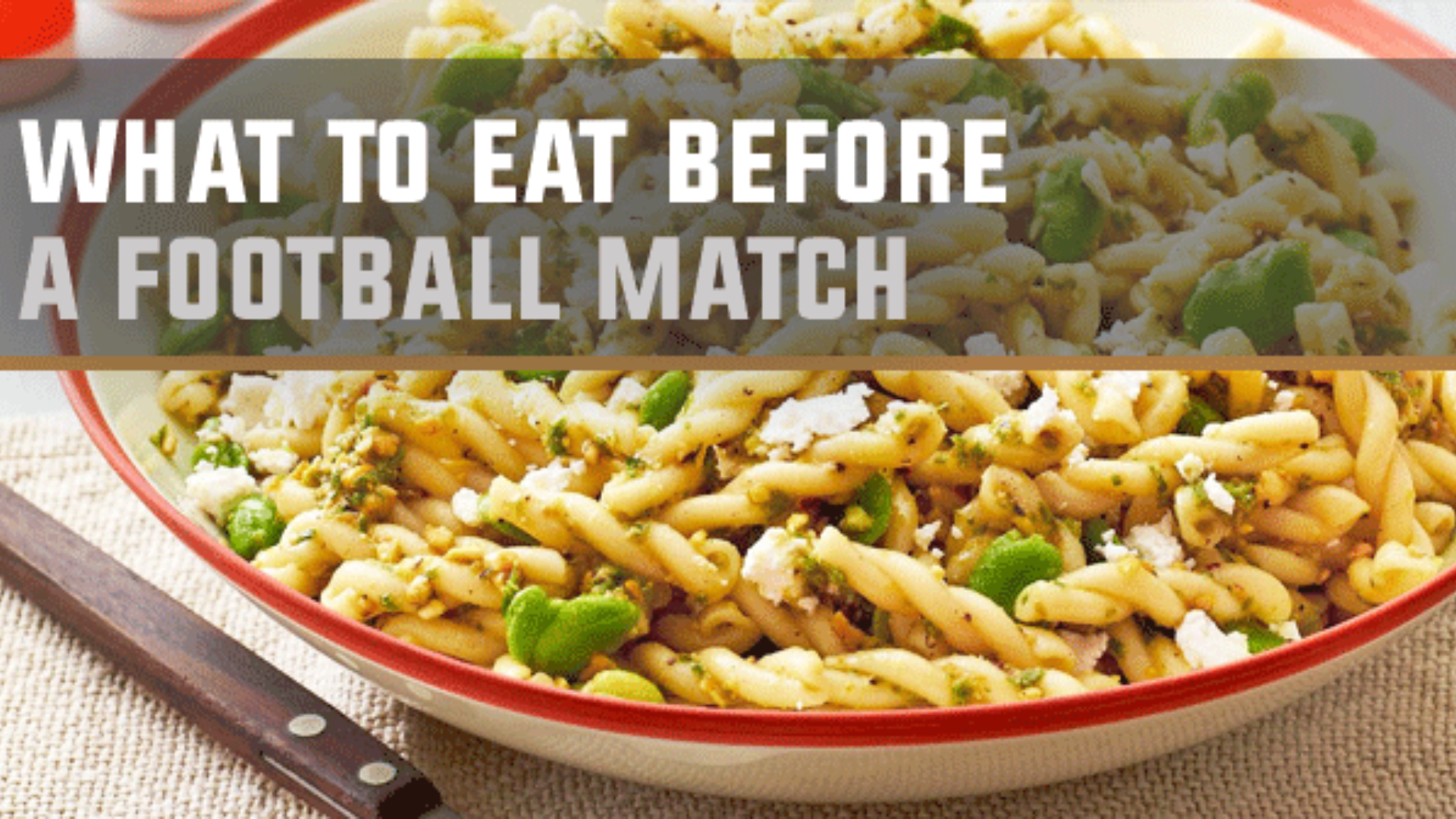
What to Eat Before a Football Match: A Scientific Guide
Football is one of the most physically demanding sports in the world. During a 90-minute match, players perform repeated sprints, rapid changes of direction, jumps, tackles, and high-intensity efforts that place significant demands on the body’s energy systems.
Proper football nutrition is no longer just an advantage—it’s a critical component of match day performance. Research in sports nutrition shows that a well-planned pre-match meal for footballers can improve endurance, sprint performance, reaction time, decision-making, and overall athletic performance.
Whether you’re a professional football player, academy athlete, or amateur competitor, understanding what to eat before a football match can help maximize muscle glycogen stores, improve energy availability, and reduce fatigue throughout the game.
Physiology of Energy Demand in a Football Match
A football match requires a combination of aerobic and anaerobic energy production. Players typically cover 10-13 kilometers while performing over 1,000 high-intensity actions including sprinting, accelerating, decelerating, jumping, and physical duels.
The body relies on three primary energy systems:
- ATP-PC System (Anaerobic Alactic System) for explosive sprints
- Anaerobic Lactic System for repeated high-intensity efforts
- Aerobic System for sustained activity throughout the match
The primary fuel source for football performance is muscle glycogen. When glycogen stores become depleted, sprint capacity decreases, endurance declines, and cognitive function can be impaired.
This is why proper pre-game carbohydrates and strategic match day nutrition are essential for maintaining peak performance from kick-off until the final whistle.
Macronutrients: Optimal Ratio of Carbohydrates, Proteins, and Fats
The ideal football meal plan should provide a balance of carbohydrates, lean protein, and healthy fats while minimizing digestive discomfort.
Carbohydrates (60-65% of Total Calories)
Carbohydrates are the most important nutrient before a football match because they replenish muscle glycogen stores and provide sustained energy.
Recommended intake:
- 1.5-2 grams per kilogram of body weight
- Focus on medium glycemic index carbohydrate-rich foods
- Consume 3-4 hours before kick-off
Best carbohydrate sources:
- Basmati rice
- Whole wheat pasta
- Sweet potatoes
- Oatmeal
- Bananas
- Whole-grain bread
For a 75kg footballer, approximately 110-150g of carbohydrates can help optimize glycogen stores before competition.
Proteins (15-20% of Total Calories)
Protein supports muscle function, recovery nutrition, and performance maintenance during prolonged exercise.
Recommended intake:
- 0.3-0.5 grams per kilogram of body weight
Best lean protein sources:
- Chicken breast
- White fish
- Turkey
- Egg whites
- Low-fat dairy products
Including protein in your pre-match meal helps maintain muscle tissue while supporting recovery after the game.
Fats (15-20% of Total Calories)
Healthy fats should be consumed in moderation before competition.
Recommended sources:
- Avocado
- Olive oil
- Nuts
- Seeds
Avoid excessive saturated fats and fried foods because they can delay digestion and increase gastrointestinal discomfort before a football match.
Meal Timing: The Critical Windows
Meal timing is one of the most overlooked aspects of football performance nutrition.
3-4 Hours Before Match (Main Meal)
This is the most important pre-match meal window.
Objectives:
- Maximize glycogen stores
- Ensure proper digestion
- Provide sustained energy
Example meal:
- 200g basmati rice
- 150g grilled chicken breast
- Steamed vegetables
- 1 tablespoon olive oil
This meal should contain approximately:
- 60% carbohydrates
- 20% protein
- 20% healthy fats
1-2 Hours Before Match (Light Snack)
The goal is to maintain blood glucose levels without causing digestive distress.
Recommended snacks:
- Banana
- Dates
- Rice cakes
- Energy bar
- Applesauce
Aim for mostly simple carbohydrates that are easy to digest.
30 Minutes Pre-Warm-up (Optional)
Some footballers benefit from fast-acting carbohydrates shortly before warm-up.
Options include:
- Energy gels
- Sports drinks
- Small carbohydrate snacks
Only use foods and supplements previously tested during training sessions.
Hydration: Protocols According to Environmental Conditions
Hydration is one of the most important factors influencing football performance. Even mild dehydration can negatively affect endurance, concentration, and sprint speed.
24h Pre-Match
Hydration begins long before kick-off.
Recommendations:
- Consume 35-40ml of water per kilogram of body weight
- Monitor urine color for hydration status
- Maintain consistent fluid intake throughout the day
3-4 Hours Pre-Match
Drink approximately:
- 500ml of water with your main meal
- Small amount of sodium for improved fluid retention
This supports optimal hydration and electrolyte balance.
1 Hour Pre-Match
Consume:
- 250-500ml isotonic drink
- Sports drink containing carbohydrates and electrolytes
This can help maintain hydration and energy availability before the match begins.
Adaptations According to Conditions
Hot Weather (>30°C)
- Increase fluid intake
- Use cooling strategies
- Consume additional electrolytes
High Humidity (>70%)
- Increase sodium intake
- Monitor sweat losses carefully
- Focus on electrolyte replacement
Environmental conditions significantly impact hydration requirements and should always be considered during match preparation.
Evidence-Based Supplementation
Several sports supplements have strong scientific evidence supporting their effectiveness in football.
Caffeine
Benefits:
- Increased alertness
- Improved reaction speed
- Enhanced sprint performance
- Better endurance
Recommended dose:
- 3-6mg per kilogram of body weight
- Consume 60 minutes before kick-off
Creatine Monohydrate
Benefits:
- Increased explosive power
- Improved repeated sprint ability
- Enhanced recovery
Recommended intake:
- 3-5g daily
Creatine is one of the most researched ergogenic aids in sports science.
Beta-Alanine
Benefits:
- Delays fatigue
- Improves repeated high-intensity efforts
- Supports football-specific endurance
Recommended intake:
- 4-6g daily
Nitrates (Beetroot Juice)
Benefits:
- Improved cardiovascular efficiency
- Reduced oxygen cost during exercise
- Enhanced running economy
Recommended intake:
- 500ml beetroot juice
- 2-3 hours before competition
Common Errors That Compromise Performance
Many footballers make nutritional mistakes that reduce match day performance.
1. Heavy Meal Too Close to Match
Problem:
Eating large meals less than two hours before kick-off.
Effects:
- Stomach discomfort
- Reduced performance
- Digestive distress
2. Excess Fiber in the 24h Before
Problem:
Consuming large amounts of:
- Beans
- Lentils
- Bran cereals
- High-fiber foods
Effects:
- Bloating
- Intestinal discomfort
- Reduced gastrointestinal comfort
3. Trying New Foods on Match Day
Problem:
Experimenting with unfamiliar foods or supplements.
Effects:
- Digestive issues
- Unpredictable reactions
Golden rule:
Never try anything new on match day.
4. Chronic Dehydration
Problem:
Beginning match day already dehydrated.
Effects:
- Reduced endurance performance
- Lower cognitive performance
- Increased fatigue
5. Caffeine Overdose
Problem:
Excessive caffeine intake.
Effects:
- Anxiety
- Elevated heart rate
- Tremors
- Reduced focus
Stay within evidence-based dosage recommendations.
Conclusion: A Science-Based Nutritional Protocol Makes the Difference
Understanding what footballers should eat before a match can significantly influence performance on the pitch.
An effective football nutrition strategy combines:
- Strategic carbohydrate intake
- Lean protein consumption
- Healthy fats
- Proper hydration
- Evidence-based supplementation
- Correct meal timing
Following a structured football match day nutrition plan can improve sprint performance, endurance capacity, cognitive function, recovery, and overall athletic performance.
Specialized Training
Football clubs, academies, sports nutritionists, and sports dietitians increasingly use evidence-based nutritional periodization to optimize player performance and availability throughout the season.
References
- Burke LM et al. Carbohydrates for Training and Competition.
- Maughan RJ et al. Hydration Strategies for Athletes.
- Goldstein ER et al. Caffeine and Performance.
- Hobson RM et al. Beta-Alanine Supplementation.
- Jones AM. Dietary Nitrate Supplementation and Exercise Performance.
Recommended Education
Certificate in Sports Nutrition for Football
Recommended Education
Professional Diploma in Sports Nutrition
Education
Explore advanced sports nutrition programs, athlete performance courses, and football-specific nutrition certifications designed to improve player development and competitive performance.